What is a School Physical? What it Covers and Why it Matters
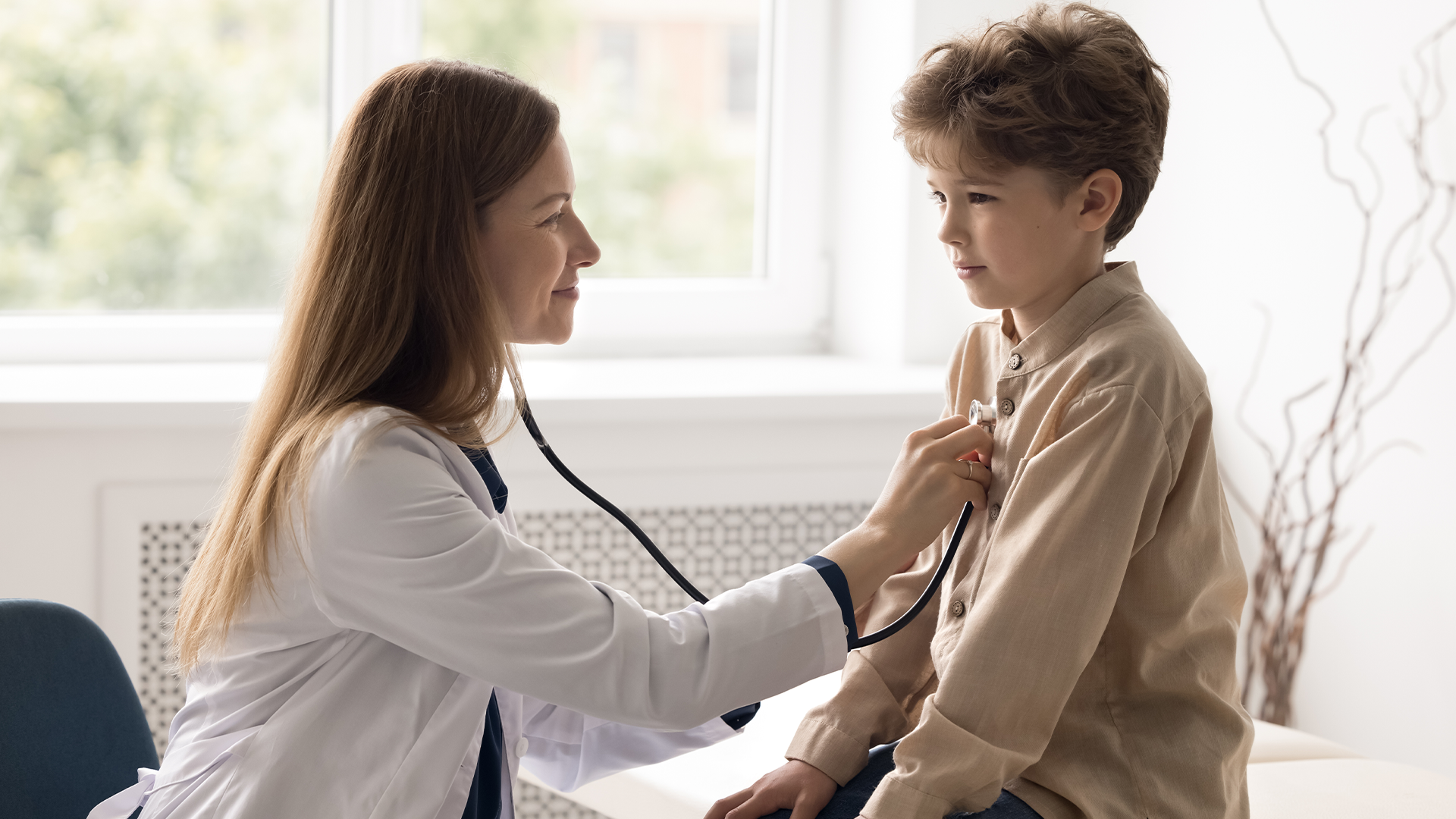
A school physical serves to answer two key questions: is your child healthy and ready for the year ahead, and is there anything that deserves a closer look? Typically, it includes a review of medical and family history, a physical exam, vision and hearing screening, an immunization check, and a conversation about your child’s development and emotional well-being.
Schools often treat it as a form to sign before first-day enrollment, but a thorough school physical is an important opportunity to catch what might otherwise go unnoticed — not just a formality.
What’s Included in a Back‑to‑School Physical?
A school physical usually looks at your child’s:
- Medical and family health history
- Their height, weight, and BMI
- Their blood pressure
- Their vision and hearing
- Heart and lung health
- Spine and joints
- Their immunization history
- Overall developmental and mental health
School Physical vs. Sports Physical: What’s the Difference?
It’s easy to assume a sports physical and a school physical cover the same ground, but they don’t.
A sports physical is a narrower screen, focused specifically on cardiovascular and musculoskeletal safety for athletic participation. Coaches and athletic programs use it to flag conditions — an irregular heartbeat, a healing injury, a joint that needs more time — that could put a child at risk during play.
A comprehensive well-child visit, on the other hand, does that and more. It also covers immunizations, developmental screening, mental health, vision, hearing, nutrition, and other areas of pediatric health that a sports physical doesn’t address.
Here’s the key takeaway for parents: a sports physical alone doesn’t satisfy your child’s annual well-visit requirement, and some schools require the sports-specific form separately even after a recent well visit. The simplest path is to schedule the comprehensive well visit with us, and we’ll handle the sports clearance paperwork as part of it, without needing to book a separate appointment.
What a School Physical Can Catch Early
Children can have significant health concerns — vision problems, elevated blood pressure, heart murmurs, scoliosis, or early signs of anxiety — without any obvious symptoms at home. A structured physical exam is designed to look for these things systematically.
Vision problems are a common example. Kids rarely realize their eyesight is the issue — they assume everyone sees the way they do. A school physical is often where a vision problem is caught for the first time, before it can interfere with reading, focus, or classroom performance.
How it Creates a Health Baseline
Annual back‑to‑school physicals allow your pediatrician to track growth trajectories, note any developmental changes, and catch when something has shifted since the last visit. A single data point is useful, but a pattern over time is far more powerful.
For example, a single weight measurement might look perfectly normal for your child’s age. But if that same child has been steadily climbing percentiles for three years running, that trend can point toward a conversation about nutrition or activity level long before any one visit would raise a flag on its own.
School Physicals as a Mental Health Touchpoint
Anxiety, depression, and attention difficulties often surface or escalate around school transitions. A good school physical includes structured questions about mood, social relationships, school adjustment, and behavioral concerns. The AAP now recommends universal anxiety screening beginning at age 8 and depression screening beginning at age 12.
When Does My Child Need a School Physical?
Plan to schedule your child’s physical in late spring or early summer, well before the fall rush. That timing leaves room for any follow-up screenings or specialist referrals to be completed before the forms are due.
We recommend a well-child physical every year, even for kids who seem perfectly healthy, since much of what it screens for doesn’t show obvious symptoms. Florida’s school and sports participation forms have their own separate rules and deadlines, so it’s worth confirming your school’s physical forms and requirements before your appointment. You can find our new patient forms on our patient resources page.
A Relationship Your Child Can Rely On
Children who have a consistent relationship with a pediatrician they know and trust are more likely to disclose concerns — physical or emotional — that they might not bring to a stranger. The annual physical builds that relationship over time.
Ready for the new school year? Book your child’s school physical at Pediatrica before the school year begins — we’ll make sure they’re covered for both the classroom and the field.