6 Common Back‑to‑School Illnesses (and How to Prevent Them)
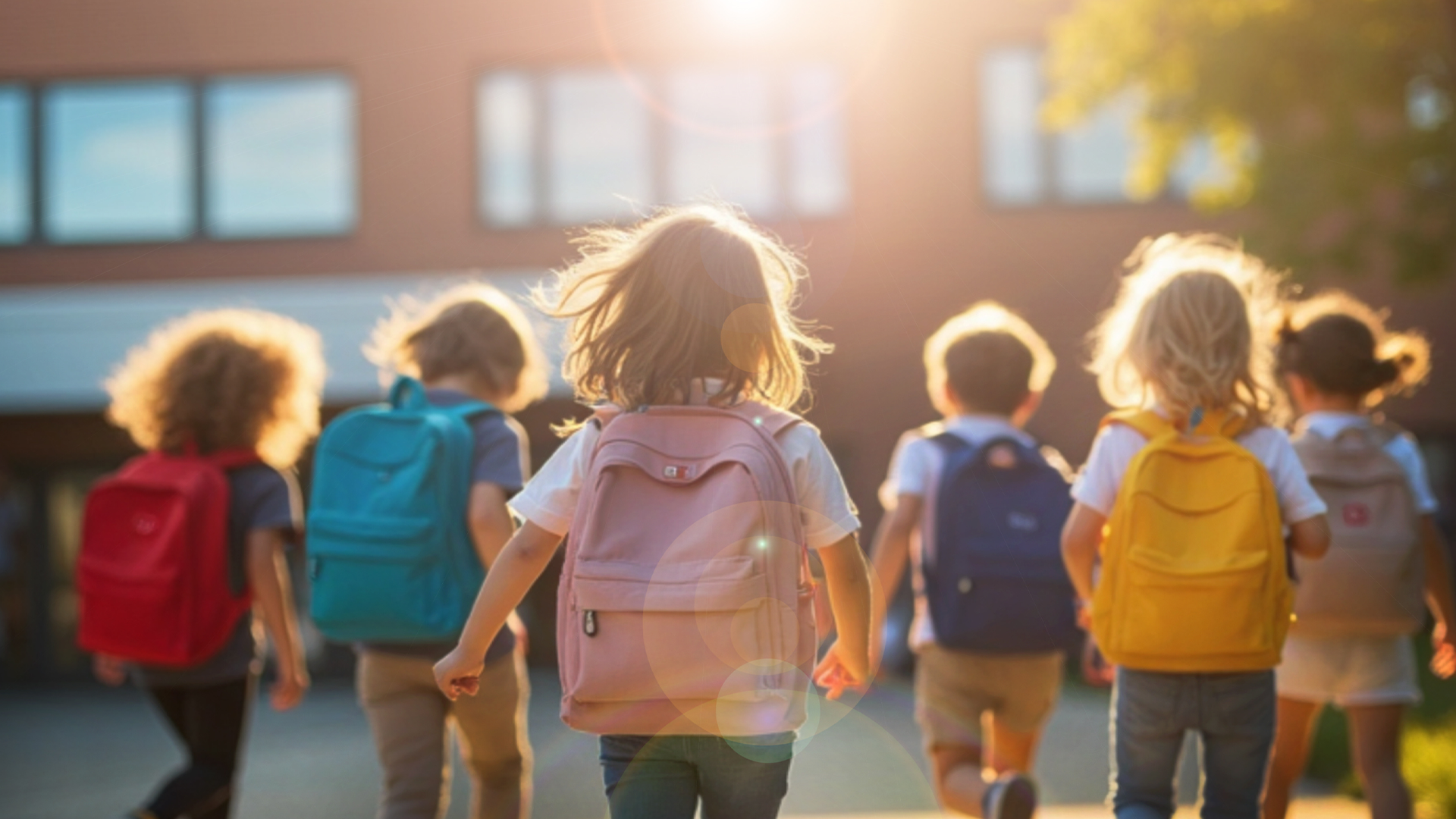
Every fall, classrooms, cafeterias, and school buses bring kids back together — and back into close contact with all the usual germs. If it feels like your child catches something new every few weeks once school starts, you’re not imagining it. The good news: knowing what’s going around, and what actually helps, makes it a lot easier to catch things early and get back to normal fast.
Here are six illnesses that tend to make the rounds at school this time of year, plus the everyday habits that help keep them from spreading.
#1: The Common Cold
The common cold is, by far, the illness kids catch most often at school. It’s a viral infection of the nose and throat that spreads through respiratory droplets, close contact, and germy hands or shared surfaces, which makes a classroom a close-to-ideal setting for it. Expect a runny nose, sore throat, and cough that typically clear up on their own within 7 to 10 days. Because colds are viral, antibiotics won’t speed things along.
Prevention: Frequent, thorough handwashing (20 seconds, before eating and after using the restroom) goes further than almost anything else. Pack tissues and hand sanitizer in your child’s backpack, and practice the “sneeze into your elbow” habit at home.
#2. Stomach Bugs (Viral Gastroenteritis)
Viral gastroenteritis — better known as a stomach bug — causes vomiting, diarrhea, and cramping, and it can spread quickly through a classroom. Handwashing is still the best defense. Remind kids not to share water bottles or utensils, and keep them home while vomiting or significant diarrhea is present, in accordance with your school’s specific return policy.
Also, watch for signs of dehydration, including a dry mouth, few tears, infrequent urination, or unusual sleepiness — and offer small, frequent sips of water or an electrolyte solution. Call us if your child can’t keep fluids down or shows any of these signs.
#3. Strep Throat in Kids
Strep throat is a bacterial infection caused by group A Streptococcus, and — unlike a cold — it responds to antibiotics once confirmed. Watch for a sore throat that comes on suddenly, along with fever and sometimes a headache or stomachache; a cough is uncommon with strep. If your child’s sore throat lasts more than 48 hours or comes with a fever, bring them in — a rapid strep test only takes a few minutes.
How to tell strep from a cold: Strep tends to show up suddenly with fever and little to no cough, while a cold usually comes on with a runny nose and cough that builds gradually. Symptoms alone can’t confirm strep, though — a test is the only way to know for sure.
#4. Pink Eye in Kids (Conjunctivitis)
Pink eye is inflammation of the eye’s surface that causes redness, itching, and discharge. Viral and bacterial pink eye can spread through hand-to-eye contact or shared items, while allergic pink eye is not contagious. Treatment depends on the cause, so it helps to have your child seen. In the meantime, discourage eye-rubbing and sharing personal items like towels or pillows, and call us if you notice heavy discharge, pain, swelling, or sensitivity to light.
When can my child return to school? Antibiotic treatment is not automatically required before a child returns to school. Whether your child should stay home depends on the cause, symptoms, how they feel, and your school’s policy on pink eye.
#5. Head Lice
Head lice are tiny insects that live in the hair and spread through direct head-to-head contact. They’re common, not dangerous, and very treatable — and they’re not a sign of poor hygiene. To help prevent them, discourage sharing hats, brushes, and hair accessories. If you do find lice, a medicated treatment plus a fine-toothed comb, hot-water washing of bedding and recently worn clothes, and checking siblings will usually take care of it — reach out with any questions along the way. Kids with head lice don’t need to leave school early, and they can return once treatment has started.
#6. RSV and Seasonal Respiratory Viruses
RSV and other seasonal respiratory viruses circulate right alongside colds and flu, and they can hit younger children especially hard. Prevention looks a little different depending on the virus: an annual flu vaccine helps protect against influenza, and RSV prevention options are available for certain infants and young children based on age and risk factors.
Know When to Keep a Child Home From School?
Not sure whether a symptom means a school day or a sick day? Here’s a simple guide. When in doubt, trust your judgment and give us a call, or use our after-hours pediatric telehealth for evening questions.
| Symptom | Stay Home | Safe to Send |
|---|---|---|
| Fever 100.4°F or higher | Yes, until fever-free for 24 hrs without medicine | Once fever-free |
| Vomiting or diarrhea | Yes, while symptoms interfere with school | Once vomiting has resolved and diarrhea has improved enough for normal participation, based on school policy |
| Pink eye with discharge | Yes, until treated (bacterial) | Mild redness, no discharge |
| Persistent cough with fever/fatigue | Yes | Mild cough, otherwise well |
| New rash with fever | Yes, until evaluated | — |
For confirmed strep throat, children should also stay home until they are fever-free and at least 12–24 hours after starting appropriate antibiotics.
Everyday Back‑to‑School Health Tips
Most of these illnesses share the same defenses: frequent handwashing, not sharing water bottles or personal items, consistent sleep, and staying up to date on vaccines. Keeping up with your child’s annual well-child visit is one of the easiest ways to stay ahead of it all — it keeps preventive care and recommended vaccines on track before anything comes up.
Ready to get your child covered before the school year ramps up? Schedule a back‑to‑school visit at Pediatrica.