Protecting Your Child’s Mental Health: A Parent’s Guide
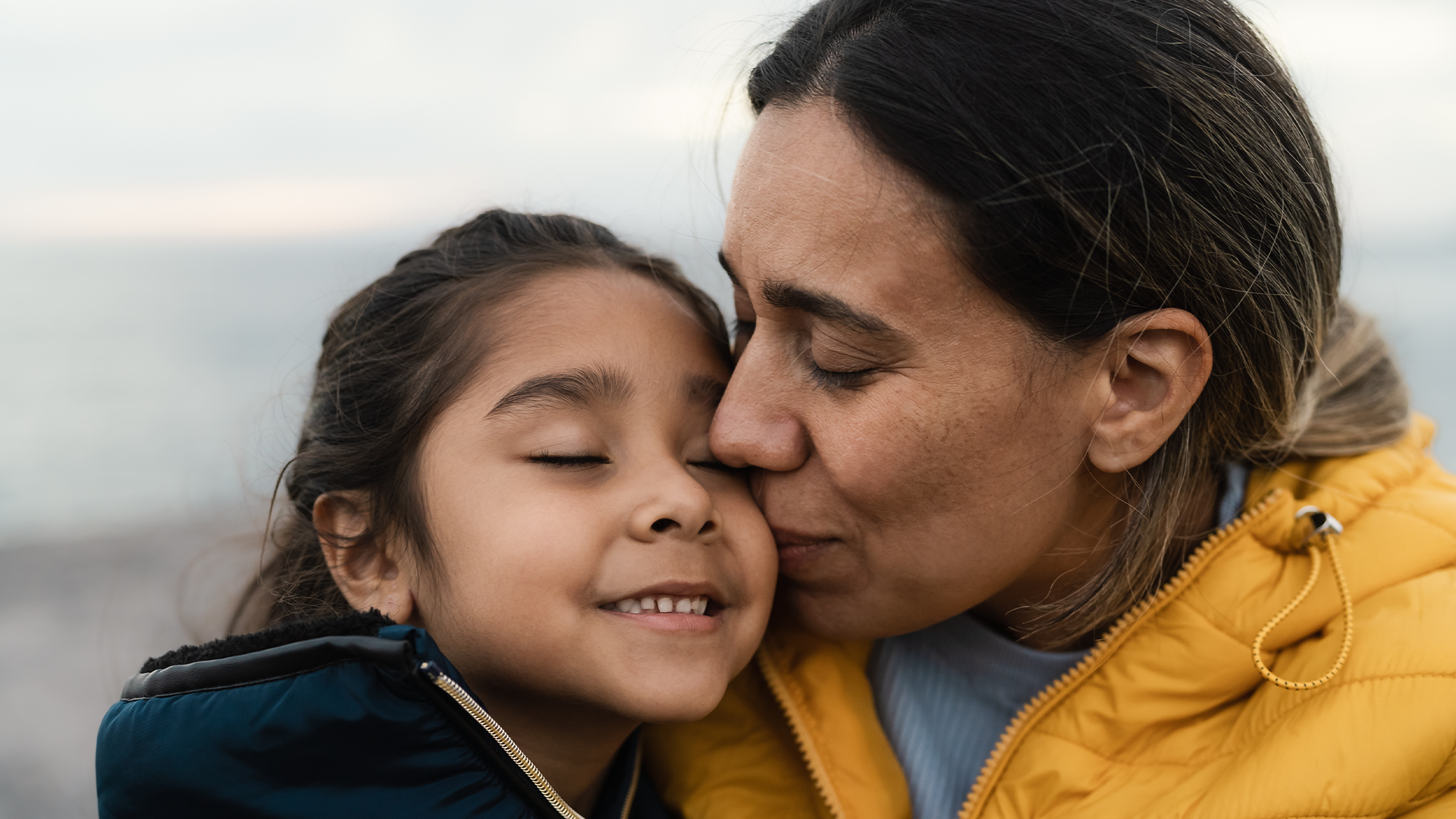
Your child’s mental health shapes how they sleep, learn, make friends, and bounce back from hard days. Many mental health concerns first appear in childhood or the teen years, and when they go unnoticed, they can affect school, friendships, and physical health well into adulthood.
The good news: early support makes a real difference, and parents have more influence than they often realize.
What are the Warning Signs of Mental Health Problems in Children?
Every child has bad days. What matters is change: a shift in mood or behavior that lasts, shows up in more than one setting, or keeps your child from things they enjoy.
The warning signs of anxiety in children vary by age:
- Young children: intense tantrums, extreme clinginess, or slipping back on milestones like toilet training.
- School-age kids: stomachaches before school, trouble focusing, or new fears.
- Teens: pulling away from friends and family, irritability, or losing interest in activities.
Anxiety and depression in children don’t always look like worry or sadness. Sometimes they look angry or like they’re feeling sick.
Build a Foundation of Trust and Safety for Your Child’s Mental Health
Children open up when they feel safe, not questioned. Low-pressure moments, like car rides or bedtime, often work better than big sit-down talks. Listen first, and resist the urge to fix things right away. Naming feelings (“That sounds really frustrating”) helps kids feel understood.
Consistency builds safety, too. Predictable rules, calm responses, and follow-through show your child that they can count on you. Let them know no topic is off-limits. HealthyChildren.org has more ideas for emotional wellness at home.
Healthy Daily Routines That Support Children’s Mental Health
Sleep, movement, and predictable days give kids a steady base for handling stress. Small steps add up:
- Keep bedtimes and wake times consistent, even on weekends.
- Charge phones and tablets outside the bedroom overnight.
| Foundation | What to aim for | Why it matters |
|---|---|---|
| Sleep | Ages 3-5: 10-13 hours, including naps. Ages 6-12: 9-12 hours. Ages 13-17: 8-10 hours, as recommended by the CDC. | Rest affects mood, focus, and behavior. |
| Movement | Ages 6-17: at least 60 minutes a day of moderate-to-vigorous activity; active play counts. | Regular activity supports how children feel. |
| Routine | Consistent mealtimes, bedtimes, and school-day rhythms. | Predictability helps children know what to expect. |
| Screens | Age-appropriate limits, plus regular, non-judgmental talks about what they see online. | Heavy social media use has been linked with worse mental health in some teens; research is still developing. |
Warning Signs: When to Talk With a Clinician About Your Child’s Mood
You know your child best. If something feels off, trust that instinct; you don’t have to wait for things to get worse. Before you call, note:
- When you first noticed the change
- How often it happens and how long it lasts
| Area | Everyday ups and downs | Worth talking with a clinician |
|---|---|---|
| Mood | Sad or grumpy after a hard day, then bounces back | Persistent sadness, hopelessness, or withdrawal from activities they used to enjoy |
| Worry | Nervous before a test or a new situation | Excessive worry, separation anxiety, or school refusal |
| Sleep and appetite | An off night or a picky week | Ongoing changes in sleep or appetite |
| School | One tough grade or assignment | Declining school performance |
| Body | An occasional headache or stomachache | Frequent headaches or stomachaches that may reflect emotional distress |
| Temper | Frustration after a long day | Irritability or anger that seems out of proportion |
General information only, not a diagnosis. If these signs last more than two weeks or significantly interfere with daily life, contact a Pediatrica clinician. If your child talks about wanting to die or hurting themselves, call or text 988 (Suicide & Crisis Lifeline, 24/7) or call 911.
Mental Health Screening at Well Visits: What to Expect
Emotional health is part of every well-child visit at Pediatrica. What to expect:
- Infancy and toddler years: developmental and social-emotional screenings, plus a check-in on how parents are doing, including postpartum depression.
- Every visit: questions about mood, behavior, sleep, school, and friendships.
- Ages 12 and up: a short yearly questionnaire for depression and suicide risk, as the American Academy of Pediatrics recommends, plus one-on-one time so teens can speak freely.
A screening isn’t a diagnosis; it’s a conversation starter. If something comes up, our clinicians offer behavioral health support within your child’s primary care, so you aren’t starting over with a stranger. Learn more about prevention, screening, and early detection.
Worried About Your Child’s Mental Health? Schedule a Visit With Our Clinicians
You don’t need all the answers, or a big concern, to reach out. Our clinicians support children’s emotional health from newborn through teen years, with same-day appointments when something can’t wait. Schedule a visit online, call the practice, or find a Pediatrica clinician near you.
If your child is in immediate danger, call 911 or go to the nearest ER. For a mental health crisis, call or text 988 anytime.