Are Vaccines Safe for Children? What Every Parent Needs to Know About Back‑to‑School Vaccines
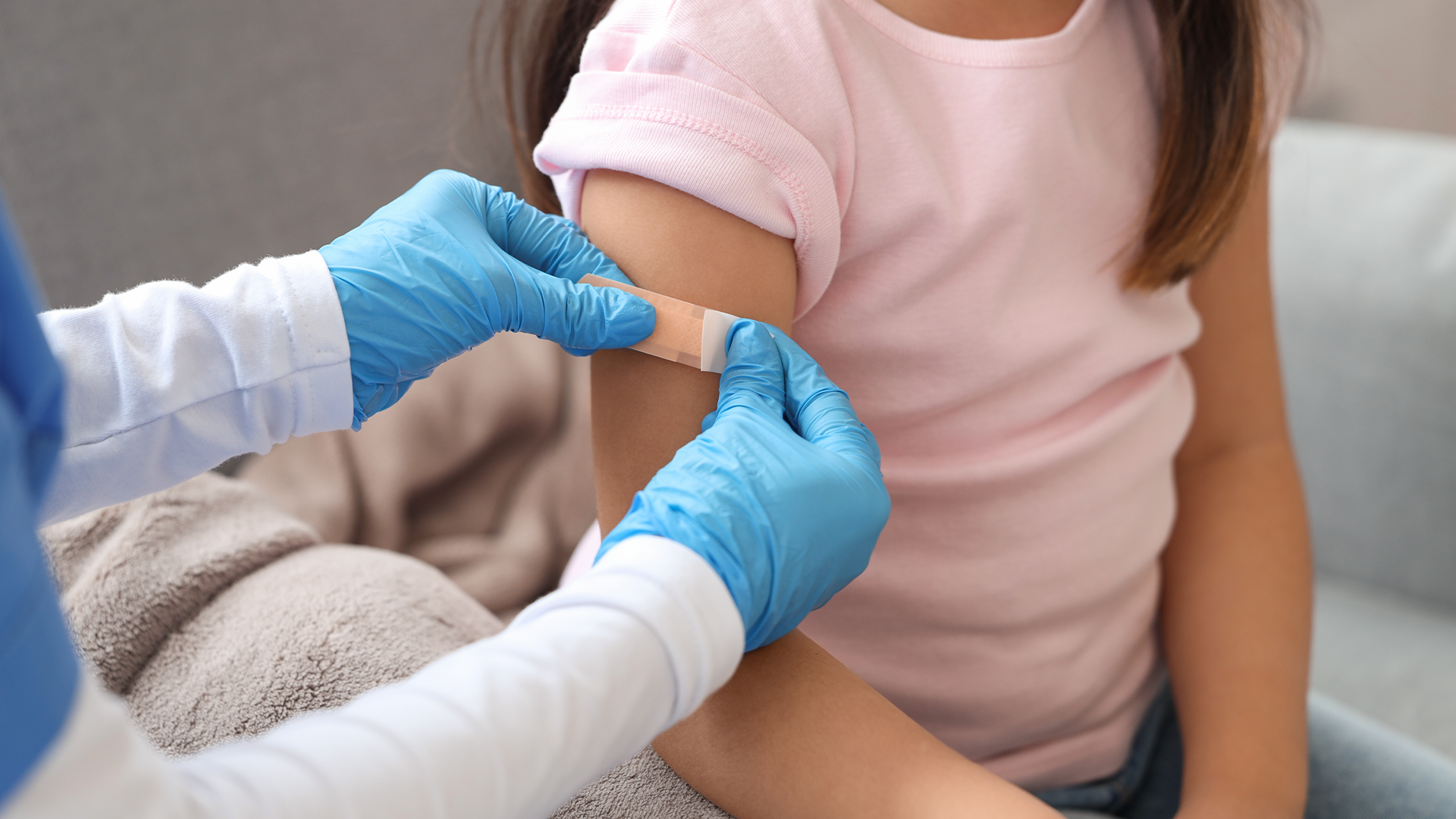
Vaccines are among the most rigorously studied and effective tools in pediatric medicine. They protect children from diseases that once caused paralysis, deafness, brain damage, and death. They also help protect those too young or medically unable to receive certain vaccines.
At Pediatrica, we firmly believe in the safety and efficacy of routine childhood immunizations to keep our care community healthy.
Are Childhood Vaccines Safe?
Yes. Every vaccine on the AAP-recommended schedule undergoes clinical testing and FDA review for safety and effectiveness before licensure. Safety monitoring continues after approval through systems such as the Vaccine Adverse Event Reporting System (VAERS) and the Vaccine Safety Datalink (VSD).
Common side effects, such as mild soreness at the injection site, a low-grade fever, or fussiness, are normal signs that your child’s body is building immunity, and they typically resolve within a few days. Decades of research have found no link between childhood vaccines and autism spectrum disorder. For most children, the benefits of recommended vaccination far outweigh the risk of serious side effects.
A Note on 2026 Vaccine Guidance
Changes to federal guidance have confused families about which recommendations to follow. The American Academy of Pediatrics (AAP) continues to publish its own evidence-based childhood immunization schedule, and its 2026 schedule is formally endorsed by 12 national medical and health organizations.
At Pediatrica, our commitment to vaccination has not changed; we follow AAP guidance and are happy to walk you through current recommendations and answer your questions.
Why are Vaccines Important for Children?
Vaccines train the immune system to recognize and respond to specific diseases. Depending on the vaccine, they may use a weakened or inactive germ, a piece of the germ, or instructions that help the body build an immune response. Your child’s body builds immune memory so it can respond quickly if exposed later.
Widespread vaccination also creates community protection, often called herd immunity. When enough people in a community are immune to certain infections, those diseases have fewer opportunities to spread. This community protection is especially important for newborns, who are too young for certain immunizations, and for children with weakened immune systems, who may not be able to receive certain vaccines.
The AAP 2026 Vaccine Schedule for Kids
The AAP updates its immunization schedule annually based on current safety and efficacy data. Your child’s exact schedule may vary based on age, previous doses, medical conditions, and other risk factors.
| Age | Recommended Vaccines |
|---|---|
| Birth | HepB, RSV immunization during RSV season, depending on maternal RSV vaccination status |
| 2 Months | HepB (dose 2), RV, DTaP, Hib, PCV, IPV |
| 4 Months | RV, DTaP, Hib, PCV, IPV |
| 6 Months | HepB, RV, DTaP, Hib, PCV, IPV, annual influenza beginning at 6 months; COVID-19 based on current AAP age and risk recommendations |
| 12–15 Months | Hib, PCV, MMR, Varicella, HepA beginning at 12 months |
| 15–18 Months | DTaP, additional HepA dose based on recommended spacing |
| 4–6 Years | DTaP, IPV, MMR, Varicella |
| 9–12 Years | HPV, with 2 doses recommended when the series is started in this age range |
| 11–12 Years | Tdap, HPV, Meningococcal (MenACWY) |
| 16 Years | Meningococcal booster (MenACWY), MenB (optional based on clinical decision) |
Keeping Track of Childhood Immunizations
Your child’s vaccination record is stored in our system, and we will tell you which vaccines are due at each well-child visit. If you need an official copy for school, sports, or camp, request it through our patient portal or contact our front desk.
If your child has missed a dose or fallen behind, catch-up schedules exist. Vaccine series generally do not need to be restarted because a dose was delayed.
Which Vaccines Does My Child Need for School?
As school approaches, reviewing back‑to‑school vaccines and your state’s specific school requirements, such as those below, can help prevent enrollment delays.
- Kindergarten Entry: Requires doses for DTaP, Polio (IPV), Measles, Mumps, and Rubella (MMR), Hepatitis B, and Varicella (Chickenpox).
- 7th Grade Requirement: Requires an updated Tdap (tetanus-diphtheria-pertussis) booster prior to entering the seventh grade.
Our team can help complete the immunization forms required for your child’s school.
Schedule a visit with our team today to review your child’s immunization record.